
People with allergies or eczema may face higher risk of surgical complications: Study
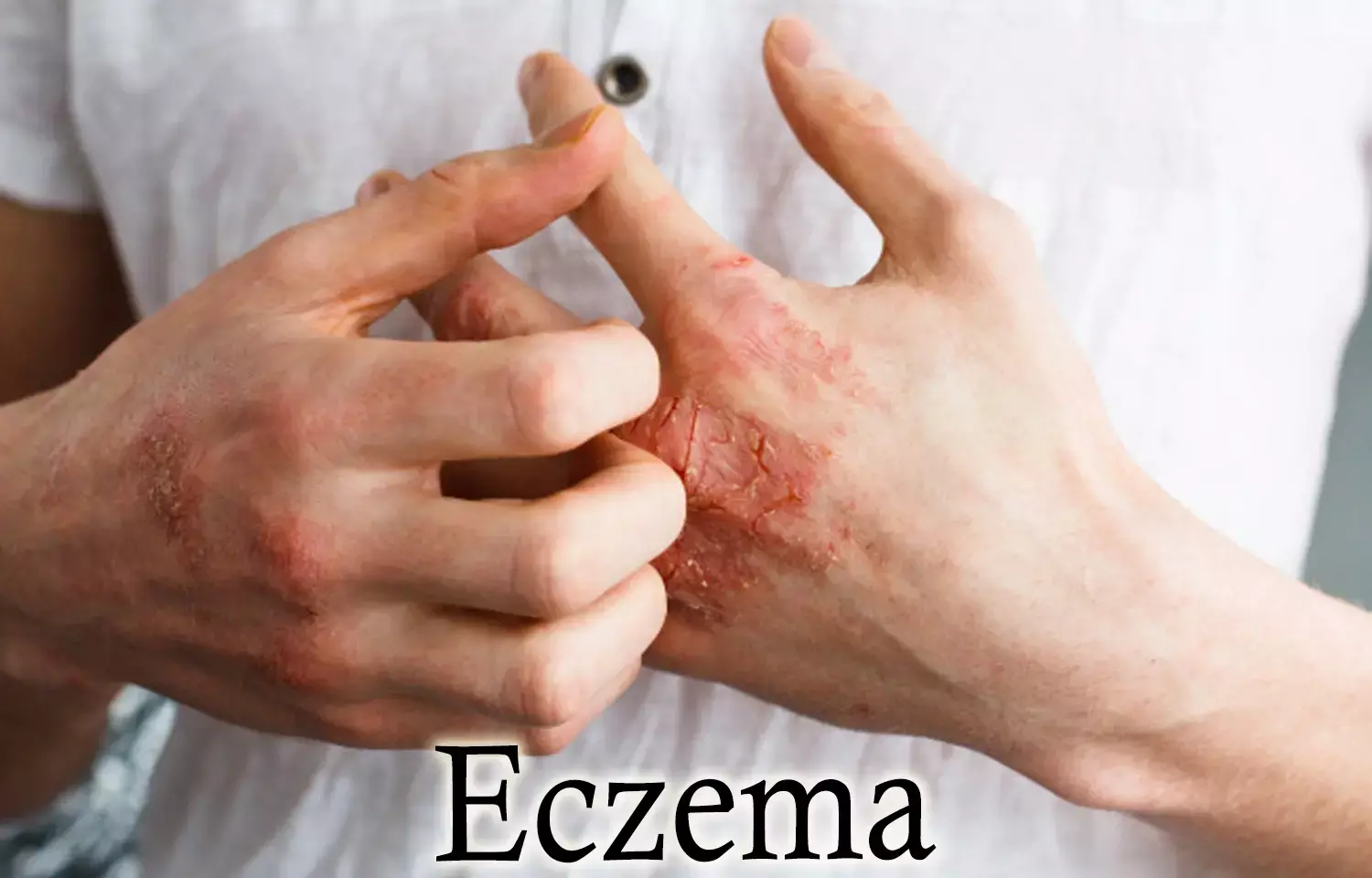


Two new studies being presented at the 2025 Annual Scientific Meeting of the American College of Allergy, Asthma and Immunology (ACAAI) show that people with allergic conditions-including eczema, asthma, and hay fever-may face more problems after certain types of surgery. The research suggests that the inflammation and immune system changes that come with these conditions can make it harder for the body to heal and may increase the risk of infection after surgery.
In one large study, researchers looked at more than 20,000 women who had breast reconstruction after cancer surgery. Those with eczema, dermatitis, or other allergic skin conditions were more likely to have complications with their breast implants-including infections, scar tissue buildup (called capsular contracture), and implant rupture — than women without these conditions.
Over the three years following surgery, patients with atopic (allergic) skin disease were also more likely to need implant removal or additional surgeries to fix problems.
“People with eczema or similar skin conditions already have more sensitive skin and a higher level of inflammation,” said Philong Nguyen, BS, lead author of the study. “That seems to make surgical healing more difficult and increases the chance of infection.”
In a second study by some of the same investigators, the researchers looked at more than 38,000 adults who had bone graft surgery, often used to repair or rebuild bone. Those with allergic conditions such as eczema, asthma, or hay fever had higher rates of infection, bone inflammation (called osteomyelitis), and the need for additional surgery to remove or replace implants.
“Even two years after their initial surgery, people with atopic conditions were still more likely to have problems like infection or implant loosening,” said Joshua Wang, MS, lead author of the study. “These results suggest that allergic conditions can affect the body’s ability to heal after surgery — not just in the skin, but in the bones as well.”
Authors of both studies agree that awareness of this risk may inform preoperative counseling and prompt more vigilant postoperative monitoring in this patient population.
Reference:
People with allergies or eczema may face higher risk of surgical complications, American College of Allergy, Asthma, and Immunology, Meeting: 2025 ACAAI Annual Scientific Meeting.