
Microvascular Resistance Index: November 2025, AJC Study Reveals New Prognostic Tool for Heart Attack Patients
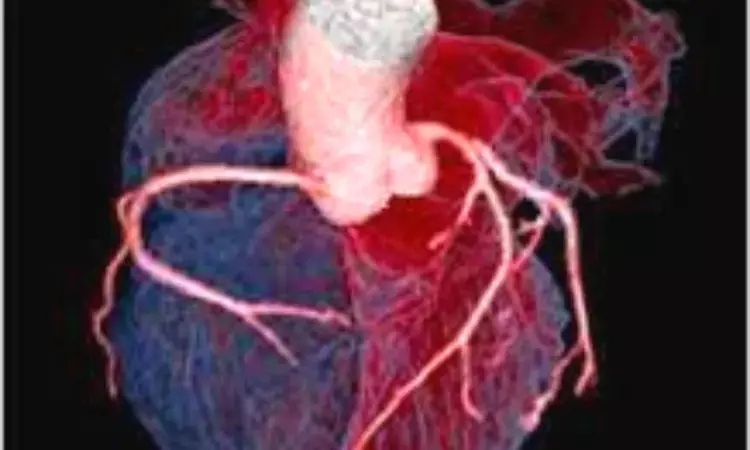


A recent study found that an angiography-derived Index of Microcirculatory Resistance (AngioIMR) score of 43 or higher is a potent predictor of poor outcomes in heart attack patients, with these individuals facing a significantly higher risk of death or heart failure despite seemingly successful surgery. High values were associated with a nearly ten-fold increase in the hazard of adverse clinical events.
These findings are published in November 2025 in The American Journal of Cardiology.
The Clinical Burden of Microvascular Dysfunction
The implementation of primary percutaneous coronary intervention (pPCI)—a procedure used to open blocked heart arteries—has drastically improved survival for patients suffering from ST-segment elevation myocardial infarction (STEMI). However, a significant number of patients still experience mid-to-long-term complications following treatment. Recent research identifies microvascular injury as a primary driver of these adverse events. Traditionally, doctors assessed this damage using the invasive Index of Microcirculatory Resistance (IMR), which requires specialized thermistor-equipped pressure wires and the administration of drugs such as adenosine. Due to high costs and procedural risks, the routine clinical use of IMR has been limited. The development of AngioIMR offers a simplified, non-invasive alternative that utilizes computational analysis of standard angiograms to evaluate the health of the heart’s smallest blood vessels.
Study Overview
The retrospective, observational study was conducted at Fondazione Poliambulanza in Brescia, Italy. Researchers analyzed 180 consecutive patients who underwent pPCI for a STEMI involving the left anterior descending (LAD) coronary artery between 2016 and 2024. The study focused on patients who achieved a Thrombolysis In Myocardial Infarction (TIMI) flow grade of 3—the highest level of visible blood flow—to determine if AngioIMR could identify hidden risks in otherwise successful procedures. The AngioIMR was calculated using a formula involving mean arterial pressure (MAP), quantitative flow ratio (QFR), and the TIMI frame count (TFC), which measures the speed of contrast dye through the vessel. Patients were followed for five years to monitor for a primary composite endpoint of all-cause death, target vessel myocardial infarction (MI), or hospitalization for heart failure.
The key findings from the study include
• An AngioIMR threshold of 43 was identified as the optimal cut-off for predicting major adverse cardiac events.
• Patients with an AngioIMR score ≥ 43 had a significantly higher incidence of the primary endpoint (18.9%) compared to those with lower scores (1.9%).
• Even after adjusting for other factors, such as a severely reduced left ventricular ejection fraction (LVEF), AngioIMR remained the strongest independent predictor of clinical outcomes.
• High AngioIMR values were also linked to increased hospitalizations for angina, even in the absence of new blockages in the large epicardial arteries.
Clinical Relevance and Targeted Prevention
For cardiology professionals, the study emphasizes that achieving visible "angiographic success" does not guarantee full myocardial recovery. An AngioIMR score ≥ 43 identifies a high-risk group that may require more intensive follow-up and monitoring for heart failure. Because this tool is non-invasive and utilizes standard procedural data, it provides a pragmatic solution for risk stratification. Ultimately, understanding that microvascular dysfunction remains a key determinant of patient survival will allow for better-tailored long-term management strategies after a major heart attack.
Reference
Pollio Benvenuto C, et al. Angiography-Derived Index of Microvascular Resistance in Patients With Anterior ST-Segment Elevation Myocardial Infarction After Successful Primary Percutaneous Coronary Intervention. The American Journal of Cardiology. 2026;263:1-6.