
Odisha hikes SC, ST quota, introduces SEBC reservation in medical, dental, ayurveda, homeopathy, nursing education


Bhubaneswar: The Odisha government has enhanced the quotas for Scheduled Caste (SC) and Scheduled Tribe (ST) category students and introduced reservation for the Socially and Economically Backward Classes (SEBC) in medical, dental, ayurveda, homeopathy and nursing education.
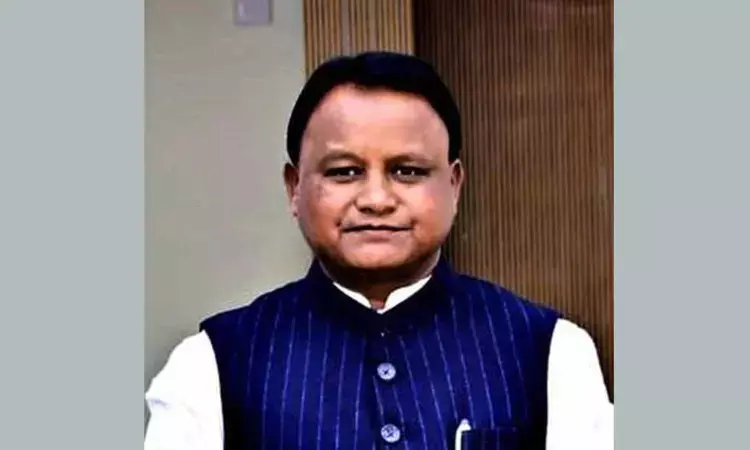
The decision was taken at the cabinet meeting chaired by Chief Minister Mohan Charan Majhi on Saturday.
"While the quota for the ST students has been raised from 12 per cent to 22.50 per cent, it has been enhanced from 8 per cent to 16.25 per cent for SCs. The state government has introduced an 11.25 per cent reservation for OBC students, who are known as SEBC in Odisha," Majhi told reporters after the meeting, quotes PTI
He said this new reservation system will be implemented across universities, their affiliated colleges and educational institutions, ITIs and polytechnics in the state in the fields of medicine, surgery, dental, nursing, pharmacy, allied health sciences, psychiatry, ayurveda, homeopathy, as well as engineering, technology, management, computer applications, agriculture and allied sciences, architecture, planning and cinematic arts.
This new reservation system will also be implemented in awarding certificates, diplomas and degrees at the undergraduate and postgraduate levels in any other courses notified by the state government from time to time, a document released by the Chief Minister's Office (CMO) said.
Majhi pointed out that even though the ST population in the state is more than 22 per cent, for a long time, the reservation for them in technical, professional, medical and allied courses was only 12 per cent.
Medical Dialogues had earlier reported that to expand access to medical education, the Odisha government is planning to open four new medical colleges across the state.
Currently, the state has a total of 3,025 Bachelor of Medicine and Bachelor of Surgery (MBBS) seats. Eight nursing colleges and 21 ANM training centres are operational in Odisha.
Health and Family Welfare Minister Dr Mukesh Mahaling provided this information in the State Assembly on Monday. This information was shared in response to a written question asked by Mohana MLA Dasharathi Gomango.
While replying to the questions, the minister informed the State Assembly that, out of the existing 3,025 seats, 1,800 seats are in 14 government medical colleges, 1,100 seats are in six private colleges, and 125 seats are at AIIMS Bhubaneswar.