
NICE Recommends Individualised HbA1c Targets and Regular Monitoring in Type 2 Diabetes
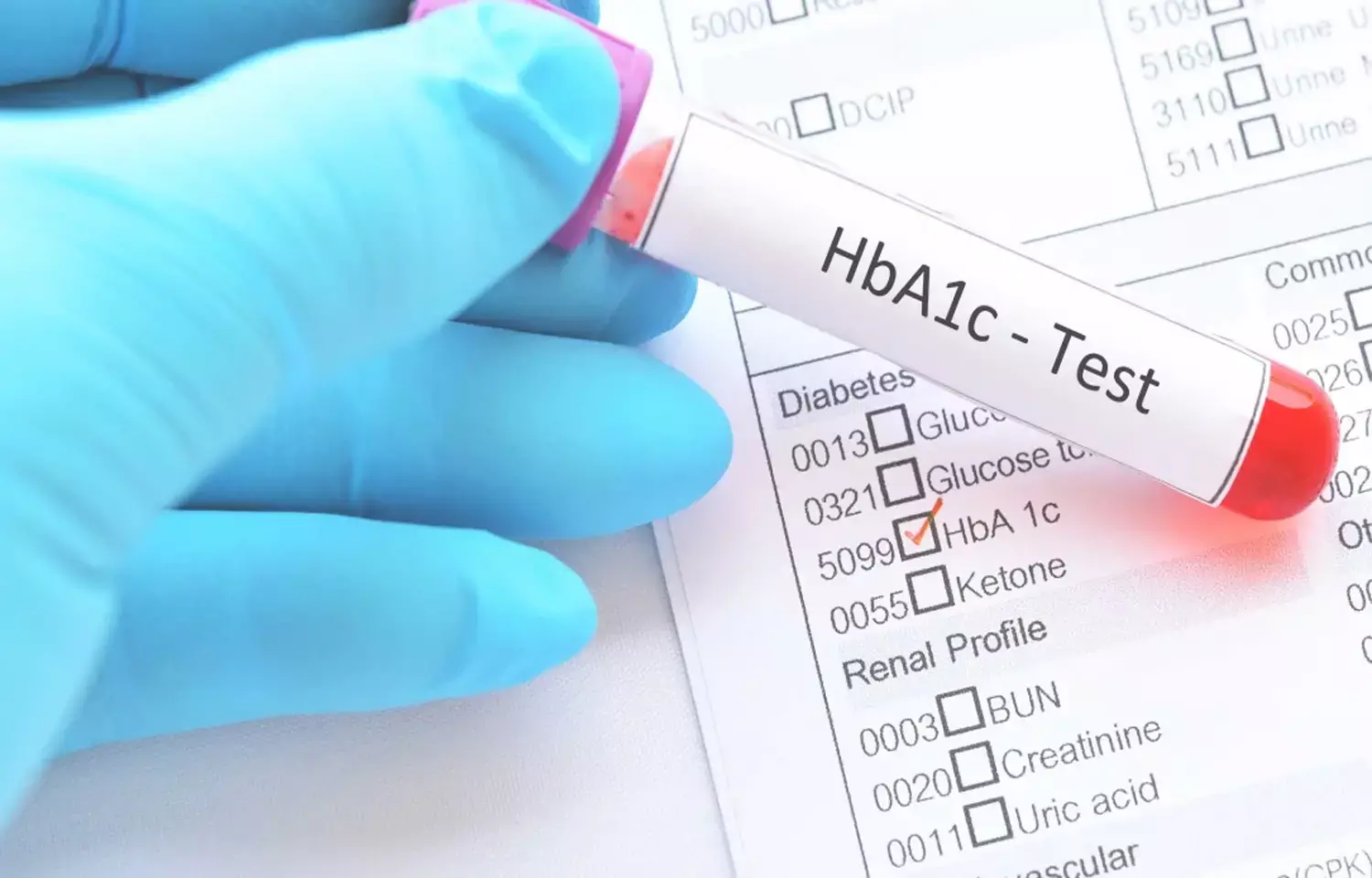


The National Institute for Health and Care Excellence (NICE) has emphasised the importance of regular HbA1c monitoring and personalised glycaemic targets in adults with Type 2 diabetes to optimise long-term outcomes. According to the guidelines, HbA1c levels should be measured every 3 to 6 months until stable, and at least every 6 months thereafter once blood glucose control and therapy are consistent.
NICE underscores the need for individualised target setting through shared decision-making, balancing the benefits of tighter glycaemic control with the risks of hypoglycaemia, comorbidities, and overall quality of life.
• HbA1c measurement and targets
Measurement
• Measure HbA1c levels in adults with type 2 diabetes every:
• 3 to 6 months (tailored to individual needs) until HbA1c is stable on unchanging therapy
• 6 months once the HbA1c level and blood glucose lowering therapy are stable.
• Measure HbA1c using methods calibrated according to International Federation of Clinical Chemistry (IFCC) standardisation.
• If HbA1c monitoring is invalid because of disturbed erythrocyte turnover or abnormal haemoglobin type, estimate trends in blood glucose control using one of the following:
• quality-controlled plasma glucose profiles
• total glycated haemoglobin estimation (if abnormal haemoglobins)
• fructosamine estimation.
• Investigate unexplained discrepancies between HbA1c and other glucose measurements. Seek advice from a team with specialist expertise in diabetes or clinical biochemistry.
Targets
NICE has produced a patient decision aid on agreeing HbA1c targets, which also covers factors to weigh up when discussing HbA1c targets with patients.
• Discuss and agree an individual HbA1c target with adults with type 2 diabetes . Encourage them to reach their target and maintain it, unless any resulting adverse effects (including hypoglycaemia), or their efforts to achieve their target impair their quality of life. Think about using the NICE patient decision aid on weighing up HbA1c targets to support these discussions.
• Offer advice on healthy living, and medicines, to support adults with type 2 diabetes to reach and maintain their HbA1c target advice, bariatric surgery, and person-centred medicines, and the NHS Better Health website). For more information about supporting adherence, see NICE's guideline on medicines adherence.
• For adults whose type 2 diabetes is managed either by healthy living and diet, or healthy living and diet combined with an initial medication regimen that is not associated with hypoglycaemia , support them to aim for an HbA1c level of 48 mmol/mol (6.5%). For adults on a medicine associated with hypoglycaemia, support them to aim for an HbA1c level of 53 mmol/mol (7.0%).
• In adults with type 2 diabetes, if HbA1c levels are not adequately controlled by the initial medication regimen and rise to 58 mmol/mol (7.5%) or higher:
• reinforce advice about diet, healthy living and adherence to medicines and
• support the person to aim for an HbA1c level of 53 mmol/mol (7.0%) and
• intensify medicines.
• Consider relaxing the target HbA1c level (see recommendations 1.5.7 and 1.5.8 and NICE's patient decision aid on type 2 diabetes: agreeing someone's blood glucose (HbA1c) target) on a case-by-case basis and in discussion with adults with type 2 diabetes, with particular consideration for people who are older or frailer, if:
• they are unlikely to achieve longer-term risk-reduction benefits, for example, people with a reduced life expectancy
• tight blood glucose control would put them at high risk if they developed hypoglycaemia, for example, if they are at risk of falling, they have impaired awareness of hypoglycaemia, or they drive or operate machinery as part of their job
• intensive management would not be appropriate, for example if they have significant comorbidities.
• If adults with type 2 diabetes reach an HbA1c level that is lower than their target and they are not experiencing hypoglycaemia, encourage them to maintain it. Be aware that there are other possible reasons for a low HbA1c level, for example deteriorating renal function or sudden weight loss.