
Multiple Chelation Irrigation Methods Show Comparable Antibacterial Effectiveness: Study
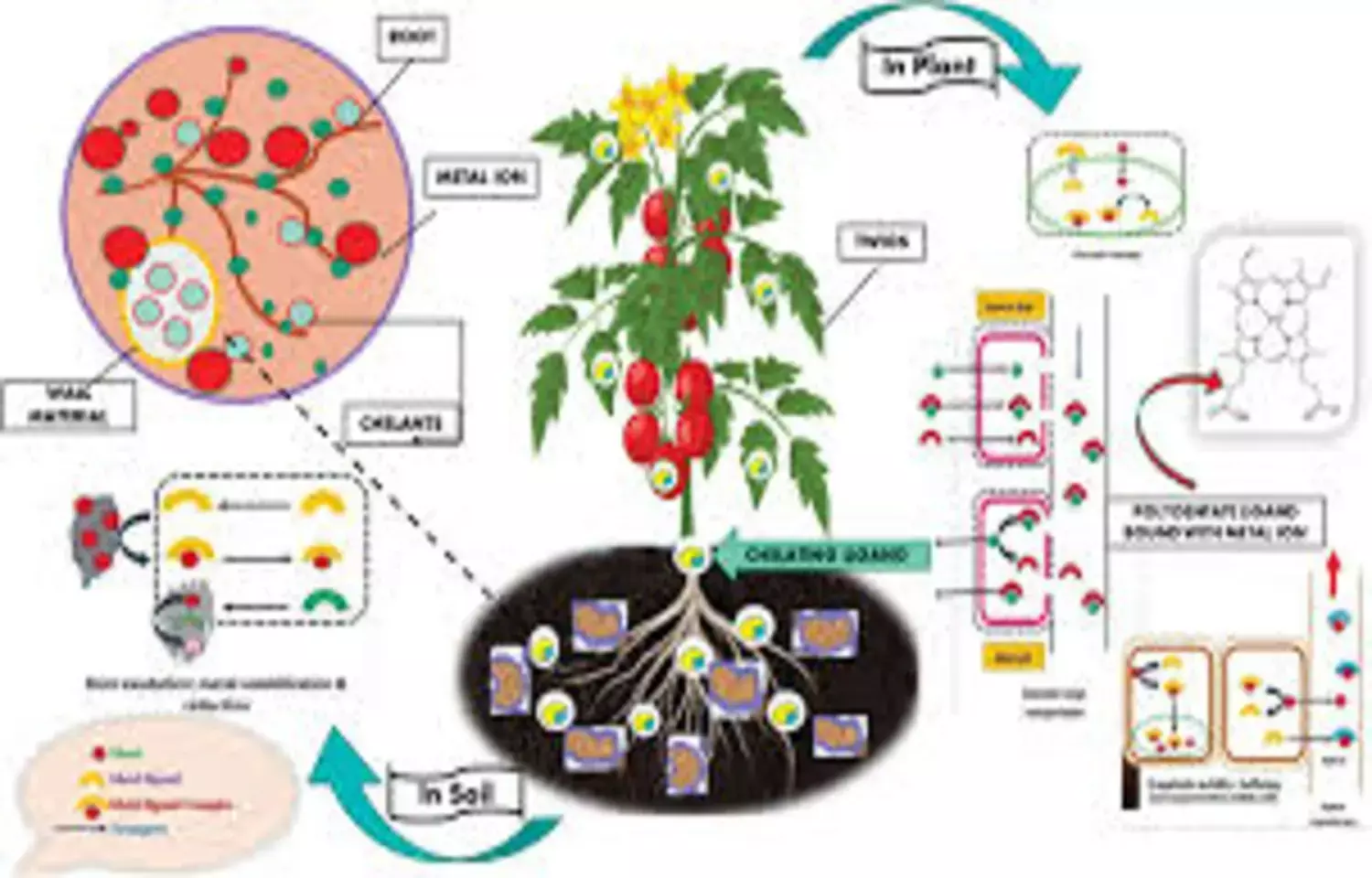


Researchers have found in a new study that continuous chelation with etidronate, sequential chelation with chitosan, and traditional EDTA irrigation all effectively reduced bacterial levels in primary endodontic infections. While etidronate and chitosan appear to be promising alternatives to EDTA, additional prospective clinical studies are required before routine clinical adoption can be recommended.
This study compared the efficacy of continuous chelation with etidronate and sequential chelation with chitosan to traditional chelation with EDTA in reducing bacterial levels in teeth with necrotic pulp. Sixty patients with single-rooted and single-canalled teeth with pulp necrosis were randomly divided into three groups based on the irrigation protocol with passive ultrasonic activation (PUI). G1 (Control): NaOCl/EDTA+PUI, G2: NaOCl/etidronate+PUI, and G3: NaOCl/chitosan+PUI. Microbiological samples were taken before (S1) and after the root canal preparation and irrigation protocol (S2). Total bacterial counts were measured using 16S ribosomal RNA gene-based real-time quantitative polymerase chain reaction. Statistical analysis was performed using the Wilcoxon signed rank test and the Kruskal-Wallis test (P<0.05).
All S1 samples tested positive for bacteria, and total bacterial counts from S1 to S2 were significantly reduced across all three groups (p<0.001), with a mean reduction of 97.7% in G1, 96.3% in G2, and 96.8% in G3. No significant differences were observed among the groups (p=0.345). Bivariate and multivariate analyses revealed that none of the patient-related or tooth-related variables had a significant effect on bacterial reduction (p>0.5).
All three irrigation protocols, including continuous chelation with etidronate, sequential chelation with chitosan, and traditional chelation with EDTA, significantly reduced bacterial levels in teeth with primary endodontic infections.Etidronate and chitosan may serve as alternatives to EDTA; however, further prospective clinical studies are required to validate and recommend their use in clinical practice.(EEJ-2025-07-114).
Reference:
Anbalagan, Karthikeyan, et al. "Efficacy of Continuous Chelation With Etidronate and Sequential Chelation With Chitosan On Bacterial Reduction in Teeth With Pulp Necrosis: a Double-Blind, Randomized Clinical Trial." European Endodontic Journal, vol. 10, no. 6, 2025, pp. 506-513.
Keywords:
Multiple, Chelation, Irrigation, Methods, Show, Comparable, Antibacterial, Effectiveness, Study, Anbalagan, Karthikeyan