
Epicardial Fat Linked to Coronary Disease Progression, Suggests Research
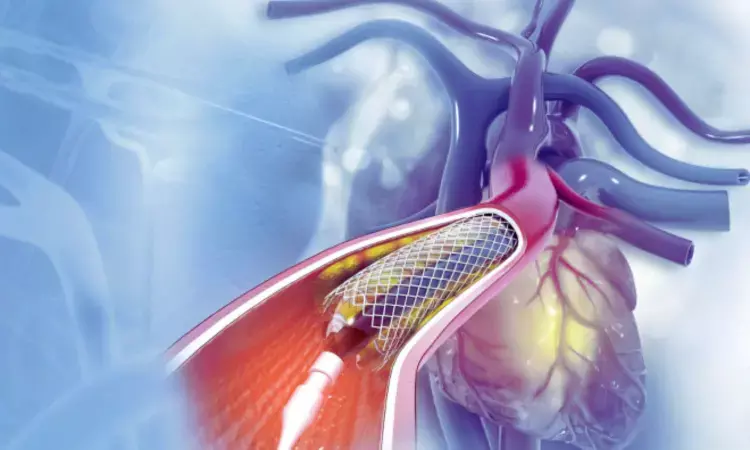


People with higher levels of epicardial adipose tissue (EAT)-fat surrounding the heart-tend to have more coronary plaque buildup and experience faster progression of coronary artery disease. Data from the PARADIGM registry suggest that EAT may play a significant role in worsening heart disease and could serve as an important marker for cardiovascular risk.
These findings are published in the Journal of the American College of Cardiology (JACC): Cardiovascular Imaging in March 2026.
While epicardial adipose tissue (EAT) is a recognized associate of CAD, a significant clinical gap has remained regarding how this fat depot specifically influences plaque progression (PP) and subsequent major adverse cardiovascular events (MACE), leading Annalisa Filtz and her colleagues from Montefiore Health System to investigate the interplay between EATv, PP, and clinical outcomes. This investigation aimed to clarify the prognostic value of fat volume surrounding the heart in determining the speed of arterial plaque growth and long-term patient safety.
The multicenter investigation utilized the Progression of Atherosclerotic Plaque Determined by Computed Tomographic Angiography Imaging (PARADIGM) registry to evaluate 773 patients through serial coronary computed tomography angiography (CCTA), allowing for precise measurements of plaque volume (PV) and percent atheroma volume (PAV). The attractive methodology focused on identifying rapid plaque progression (RPP), defined as a yearly PAV increase of 1% or more, with primary endpoints centered on longitudinal changes in plaque components and 10-year survival rates. Analytical models were carefully adjusted for traditional risk factors such as hypertension, diabetes, and smoking to ensure the independence of the findings regarding EATv and cardiovascular risk.
Key Clinical Findings of the Study Include:
• Heightened Disease Presence: Research established that individuals with coronary artery disease possessed significantly greater EAT volume, averaging 95 cm³, compared to the 83.5 cm³ observed in those without the disease (P < 0.001).
• Aggressive Plaque Growth: Investigation indicated that patients in the highest EATv tertile experienced significantly more progression in both calcified and non-calcified plaque volumes compared to those in the lowest tertile (P = 0.025 and P = 0.022, respectively).
• Escalated Progression Risk: Study demonstrated a substantial increase in the prevalence of plaque progression as EAT volume rose, with rates climbing from 78.9% in the bottom group to 88.5% in the top group (P = 0.013).
• Rapid Advancement Odds: Analysis highlighted that rapid plaque progression was much more common in the high EATv group at 36.4%, versus only 25.2% in the low EATv cohort (P = 0.021).
• Long-term Survival Impact: Findings revealed that patients exhibiting plaque progression or its rapid variant had significantly lower 10-year survival rates free of major adverse cardiovascular events (P = 0.006 and P < 0.001).
The results suggest that elevated epicardial adipose tissue volume is an independent predictor of both the presence and the rapid worsening of coronary artery disease, with the highest volume tertile linked to an 88.5% prevalence of plaque progression.
Thus, the study concludes that monitoring EATv could serve as a valuable tool for clinicians to identify high-risk individuals who may benefit from more intensive risk modification or earlier therapeutic intervention.While this research underscores the prognostic importance of heart-related fat, the potential for EATv to serve as a direct therapeutic target warrants further exploration in future clinical studies.
Reference
Filtz A, Lorenzatti D, Scotti A, Bhatia K, Yametti FC, Cossettini FJ, Chang HJ, et al. Epicardial Adipose Tissue, Coronary Plaque Progression, and Major Adverse Cardiovascular Events: A Multicenter Study. JACC: Cardiovasc Imaging. 2026;10.1016/j.jcmg.2026.02.003.